Prices
  Request a call back
  Moving Guides
  Free quote
 TW3 to TW5 moving tips for Hounslow man and van jobs
Posted on 22/06/2026
TW3 to TW5 Moving Tips for Hounslow Man and Van Jobs
Moving from TW3 to TW5 might look straightforward on a map, but anyone who has done a local Hounslow move knows the real story: tight streets, awkward parking, stairwells that seem to go on forever, and the usual last-minute panic over boxes, keys, and missing kettle leads. This guide to TW3 to TW5 moving tips for Hounslow man and van jobs is built for exactly that kind of move. Whether you are shifting a flat, a family home, or a small office load, the aim is simple: make the day smoother, safer, and less expensive.
We will walk through why the route matters, how man and van jobs usually work in this part of west London, what to prepare before the van arrives, and where people most often go wrong. You will also find practical checklists, a comparison table, and a real-world example based on the kind of moving day many Hounslow residents face. No fluff. Just useful guidance you can act on.
Why TW3 to TW5 moving tips for Hounslow man and van jobs Matters
TW3 and TW5 are close enough that people sometimes underestimate the move. That is where the trouble starts. A short hop can still mean loading heavy furniture, navigating busy roads, finding somewhere legal to stop, and getting everything done before traffic builds or parking restrictions kick in. In Hounslow, local knowledge matters more than people expect.
For a man and van job, the biggest risk is not distance. It is inefficiency. If the packing is loose, the access is poor, or the parking plan is vague, a small move can turn into a long one. That affects timing, costs, and stress levels. And let's face it, moving day already has enough moving parts.
Local tips matter because each postcode has its own rhythm. Around TW3, you may be dealing with denser residential streets, flats, or older housing layouts. In TW5, access can be easier in some places but trickier in others, especially where driveways are tight or parking is shared. A good move starts with understanding those details before anyone lifts a box.
If you want a broader feel for the area before you move, the team's guide to Hounslow is a useful starting point, especially if you are still getting to know the local layout and nearby neighbourhoods.
How TW3 to TW5 moving tips for Hounslow man and van jobs Works
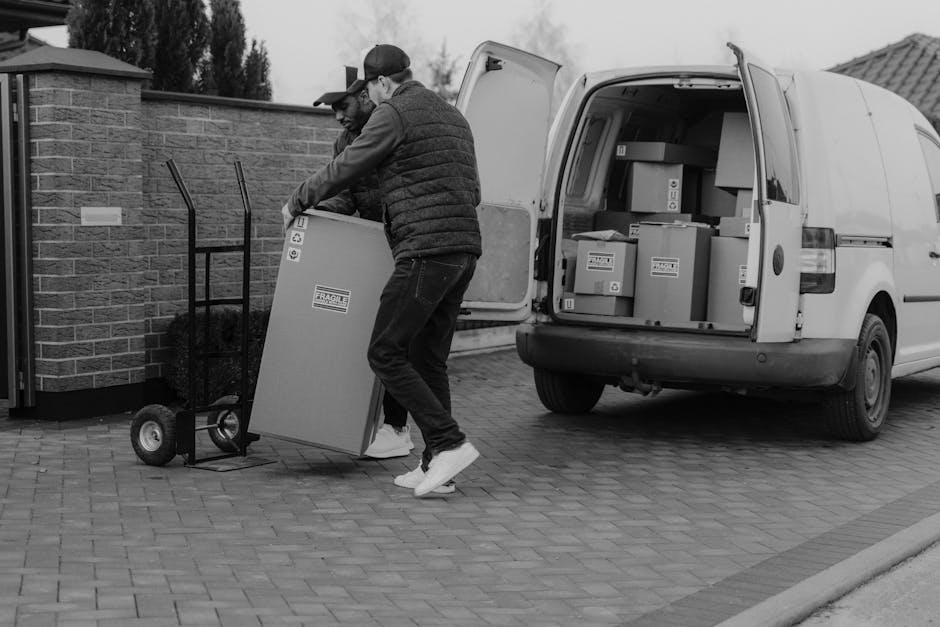
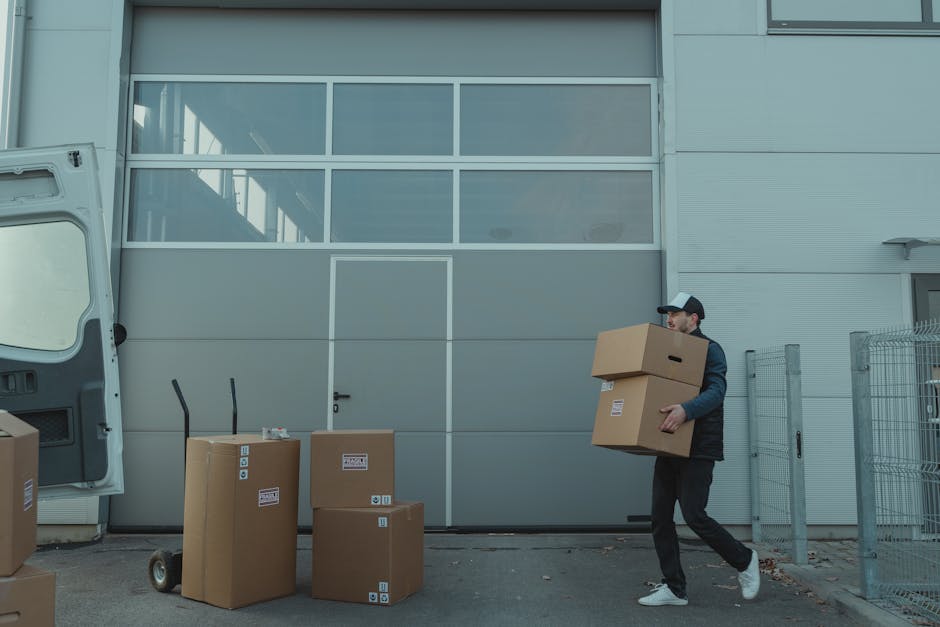
A man and van move is usually the most flexible removal format for local jobs. One vehicle, one or two movers, and a plan shaped around your access, load size, and timing. That makes it well suited to short-distance moves within Hounslow, especially if you do not need a full removals crew.
In practice, the move usually follows a simple pattern:
- Pre-move survey or phone assessment: you explain what is being moved, the floor levels, and whether there are any awkward items.
- Vehicle choice: the van size is matched to the job, which helps avoid underbooking or paying for unnecessary space.
- Loading plan: the heaviest and most fragile items are positioned strategically so the load travels safely.
- Travel and parking: the route is kept as simple as possible, with attention to restricted streets and unloading access.
- Unloading: everything is carried to the correct rooms, ideally with boxes labelled clearly.
The best jobs feel almost calm. Almost. There is still the odd delay, a misplaced bag, or someone realising the charger was packed "somewhere safe". But with the right preparation, the whole thing stays manageable.
For readers comparing options, the man and van service in Hounslow is the most relevant place to understand what this style of move is designed to handle.
Key Benefits and Practical Advantages
The appeal of a man and van job is not just price. It is control. You can keep the move local, flexible, and much less formal than a full removal operation. That is particularly useful for short hops between TW3 and TW5, where you may not need a large team or a full-day removal package.
Here are the main advantages:
- Lower overheads for smaller moves: ideal when you have a few large items, several boxes, or a compact flat move.
- Better flexibility: timeslots can often be arranged around key collection, work hours, or building access rules.
- More local efficiency: a driver who understands Hounslow roads can save time on loading and unloading.
- Less waste: a smaller vehicle can be more appropriate for the job, especially if you are moving only part of a household.
- Useful for mixed loads: furniture, white goods, boxes, and personal items can be managed without overcomplicating the day.
There is also a hidden benefit: less emotional strain. A local move can feel oddly intense because it is so close to your old life. One minute you are carrying mugs from a kitchen shelf, the next you are looking at empty walls. A smooth process helps more than people admit.
If you are weighing your options, it can help to compare local providers and service scope through removal companies in Hounslow before deciding whether a man and van job or a fuller removals service fits better.
Who This Is For and When It Makes Sense
This type of move makes the most sense for people who want a practical, smaller-scale solution. It is not designed for every situation, and that is fine. Knowing where it fits is half the battle.
You are probably a good match if you are:
- moving from a studio, one-bed flat, or small house
- relocating within TW3, TW4, TW5, or a nearby Hounslow postcode
- moving a few bulky items rather than a whole property
- trying to avoid the cost and complexity of a large removals team
- handling a same-week move or an awkward handover date
- moving student items, office contents, or partial household loads
It also suits anyone who values hands-on control. You pack, label, and prioritise what matters. The van team handles the lifting and transport. Straightforward, really.
That said, if your move includes fragile specialist items or a large volume of furniture, it is worth checking whether a dedicated service is more appropriate. For example, piano moves are a different game entirely, and a specialist approach is usually the safer choice. The dedicated piano removals page is the right place to look if that is relevant to your move.
Step-by-Step Guidance
Good moving days are won before the van arrives. The following steps will save time, reduce confusion, and make the whole thing feel more under control.
1. Do a ruthless room-by-room audit
Before you pack anything, walk through the property and separate what is moving, what is being donated, what is rubbish, and what needs specialist handling. People often waste time packing items they later throw away. That is the classic moving-day trap. The more you sort now, the less chaos later.
2. Measure the awkward stuff
Large wardrobes, beds, sofa frames, mirrors, and appliances should all be checked against door widths, stair turns, and lift sizes. A five-minute measurement can save an hour of head-scratching. In older Hounslow buildings, that matters more than people think.
3. Book the right van size
Too small and you create a second trip. Too big and you pay for space you never use. For a TW3 to TW5 move, the right size depends on volume and access, not just the postcode distance. If the property is on an upper floor with no lift, loading takes longer. That changes the vehicle decision.
4. Label boxes clearly, and not in a vague way
"Bedroom" is okay. "Bedroom - bedding and winter clothes" is better. "Misc" is not helpful. Label the top and one side so it can be identified even when stacked. It sounds basic. It is basic. But it works.
5. Prepare the parking and access plan
Do not assume the van can simply stop outside and unload. Check whether there is a legal parking spot, whether a permit or loading bay is needed, and whether your building has any restrictions. If your street is tight, tell the mover in advance. The extra context makes a real difference.
6. Pack a first-night box
Keep essentials together: kettle, mugs, chargers, toilet paper, basic tools, snacks, medication, and a change of clothes. It is a small thing, but after a long day, it feels like gold.
7. Protect the fragile and the oily
Glassware, lamps, electronics, and anything that can leak should be wrapped properly. Use sealed bags for liquids and keep them away from soft furnishings. A little tape and paper now can prevent a very annoying mess later. Nobody wants shampoo all over a wool blanket. Trust me.
8. Keep one person available for decisions
On moving day, decisions happen constantly: where a box goes, whether something is staying behind, whether the chest of drawers is empty enough. Having one person as the main contact speeds things up and prevents crossed wires.
For packing support, it may help to review packing and boxes guidance for Hounslow before you start. It is often the small packing choices that determine whether the day feels organised or frantic.
Expert Tips for Better Results
Here are the kinds of practical details that make a local move noticeably easier. Not glamorous, but effective.
- Load by weight and fragility, not by room alone. Heavy items go low and near the front of the load. Fragile items should not be crushed under soft boxes that suddenly become less soft.
- Take photos of cable setups before unplugging. A small photo can save twenty minutes of guessing later.
- Keep hardware in labelled bags. Put screws, brackets, and shelf fittings in one bag per item of furniture. Write the furniture name on the bag.
- Use a colour system if you have a lot of boxes. Blue tape for kitchen, green for bedroom, red for fragile. Simple and fast.
- Leave a clear walkway. Narrow hallways and cluttered entrances slow everything down. It sounds obvious until boxes start forming a little mountain by the front door.
- Tell the team about difficult access early. Steep stairs, no lift, low ceiling, long carry distance, shared courtyards - all useful details.
One more thing: if you are moving furniture that has seen better days, or items you may not keep long-term, ask whether it is worth moving at all. Sometimes the cheapest move is the one where you leave the bulky old chair behind. A slightly ruthless question, but a useful one.
For larger household items, the dedicated furniture removals support can be a sensible reference point, especially if you are unsure how a particular item should be handled.

Common Mistakes to Avoid
Most moving problems are avoidable. The frustrating bit is that people tend to make the same mistakes again and again. Here are the big ones.
Underestimating the load
People remember the number of boxes but forget the furniture volume, the odd bits in cupboards, and the "quickly packed" items that add up fast. Before you know it, the van is fuller than expected.
Leaving parking to chance
This is a classic local issue. If the van cannot park close enough, loading becomes slower and harder. In some streets, one badly parked car can change the whole rhythm of the move. This is why a local route plan matters.
Packing fragile items with no buffer
Tea towels are not much protection on their own. Use proper wrapping, fill empty spaces in boxes, and keep the heaviest items separate from delicate glass or ceramics.
Forgetting to empty furniture
Drawers left full are not just heavy; they shift around and can damage the furniture. It is a small oversight that creates very real hassle.
Not checking building rules
Some blocks have access windows, lift booking requirements, or rules about where a van can stop. If you ignore them, the day can stall before it starts. Not ideal.
Trying to move everything alone
Truth be told, a solo move is possible for light loads, but heavy lifting is where injuries and damage happen. There is no prize for doing it the hardest way.
Tools, Resources and Recommendations
You do not need a warehouse full of equipment, but a few basics make a big difference. Keep the kit lean and practical.
| Item | Why it helps | Best use |
|---|---|---|
| Strong boxes | Protects contents and stacks better in the van | Books, kitchen items, mixed household goods |
| Packing tape | Keeps boxes secure during loading and transit | Sealing all boxes, especially heavier ones |
| Blankets and covers | Helps prevent scratches on furniture | Tables, wardrobes, sofa arms, white goods |
| Marker pens | Makes labels quick and readable | Room names, contents, fragile notes |
| Furniture tools | Speeds up disassembly and reassembly | Beds, wardrobes, desks, shelving |
If you are booking a service rather than doing everything yourself, use pricing and quote guidance to understand what affects the cost. Access, load size, timing, and special handling all matter.
It is also worth reviewing the provider's insurance and safety information before the day. A proper mover should be transparent about how goods are handled and what happens if something goes wrong. That reassurance matters, even if you never need it.
Law, Compliance, Standards, or Best Practice
For local moves, you do not need to become an expert in transport law, but there are a few sensible standards to keep in mind. Parking rules, access restrictions, and building requirements should be followed carefully. In London, that often means checking whether the van can stop safely and legally near the property, rather than assuming a quick pause is fine.
Best practice also matters inside the van. Items should be loaded securely so they do not move around during braking or cornering. Heavy pieces belong lower down, fragile items need cushioning, and loose contents should be minimised. That is not just good housekeeping. It reduces avoidable damage.
From a customer perspective, you should also expect clear terms, transparent communication, and sensible handling of personal belongings. If you are using a professional service, the provider should make their conditions easy to understand. If not, ask. No need to be awkward about it.
For people who care about responsible disposal, a move is also a good time to think about reuse and waste reduction. The site's recycling and sustainability guidance is relevant if you are sorting items that will not be moving with you.
You may also find it useful to read the company's terms and conditions before booking, especially if you have time-sensitive access or special items.
Options, Methods, or Comparison Table
Not every local move needs the same setup. Here is a practical comparison to help you choose.
| Option | Best for | Pros | Watch out for |
|---|---|---|---|
| Man and van | Small to medium local moves, short-distance jobs, flat moves | Flexible, cost-efficient, quick to arrange | May be less suitable for very large loads |
| Full removals team | Larger homes, multiple rooms, complex access | More labour, more capacity, less lifting for you | Usually more expensive for smaller jobs |
| DIY van hire | Very small budgets, confident movers, simple loads | Control over timing, can be cheaper upfront | You handle the driving, lifting, and risk yourself |
| Same-day removal service | Urgent moves, last-minute handovers, unexpected changes | Fast response, useful in a pinch | Availability can be limited |
For many TW3 to TW5 moves, man and van is the sweet spot. It gives you enough support without overcommitting to a larger job than necessary. If your move is time-sensitive, it can also be helpful to look at same-day removals in Hounslow, though that is usually best reserved for genuine urgency.
If you are moving from a flat rather than a house, a specialist page such as flat removals in Hounslow may better reflect the access and packing realities you are dealing with.
Case Study or Real-World Example
Here is a realistic local example. A couple moved from a first-floor flat in TW3 to a terraced property in TW5. Not a huge household, but enough to need more than a car boot and a favour from a friend with a hatchback.
They had:
- a bed frame and mattress
- a sofa
- a dining table with four chairs
- around 25 boxes
- small appliances, mirrors, and a few fragile kitchen items
The key to making the move work smoothly was surprisingly simple. They packed the boxes by room, left the drawers empty, disassembled the bed the night before, and saved one parking space near the property by planning the arrival carefully. The van was loaded in a clear order: heavy items first, boxes stacked neatly, fragile bits cushioned and kept separate.
There was still the usual moving-day chaos. Someone forgot which box had the towels. One mug vanished into the "miscellaneous" abyss. Standard stuff. But because the preparation was decent, the actual move stayed on schedule and the unloading at the new place was quick.
That is the practical truth of local man and van work: small decisions before 8am can save a lot of stress by lunchtime.
If you are moving because of a tenancy change, sale, or purchase, it may also help to read about property transactions in Hounslow, since timing and handover dates often shape the move more than the move itself.
Practical Checklist
Use this checklist the day before and again on the morning of the move. Simple, but effective.
- Confirm the moving time and access details
- Check parking arrangements at both addresses
- Pack and label all boxes by room
- Empty drawers and cupboards in bulky furniture
- Disconnect appliances safely
- Keep screws, brackets, and tools in labelled bags
- Wrap mirrors, glass, and fragile items properly
- Prepare a first-night essentials box
- Clear hallways and entry points
- Take photos of cable setups and furniture assembly
- Keep keys, ID, and important paperwork with you
- Do a final walk-through before leaving
Expert summary: The smoothest TW3 to TW5 moves are rarely the fanciest. They are the ones where access is planned, boxes are labelled properly, and the load is packed in a way that respects both the van and the building. Small things. Big difference.
Conclusion
Moving between TW3 and TW5 does not have to feel like a mini crisis. With a clear packing plan, sensible access planning, and the right type of local mover, a Hounslow man and van job can be efficient, affordable, and pleasantly uneventful. And honestly, uneventful is exactly what you want on moving day.
The main takeaway is this: treat the move like a logistics job, not just a transport job. Think about parking, building access, box labels, fragile items, and timing. Once those pieces are in place, the rest tends to fall into line.
If you want a better sense of the local area before your move, the team's living in Hounslow local insights piece can help you settle in with a bit more context. If you are still comparing what kind of move you need, the broader services overview is a sensible next step.
Get a free quote today and see how much you can save.
Move well, settle in gently, and give yourself a little credit. A local move done properly is a small win, but a real one.