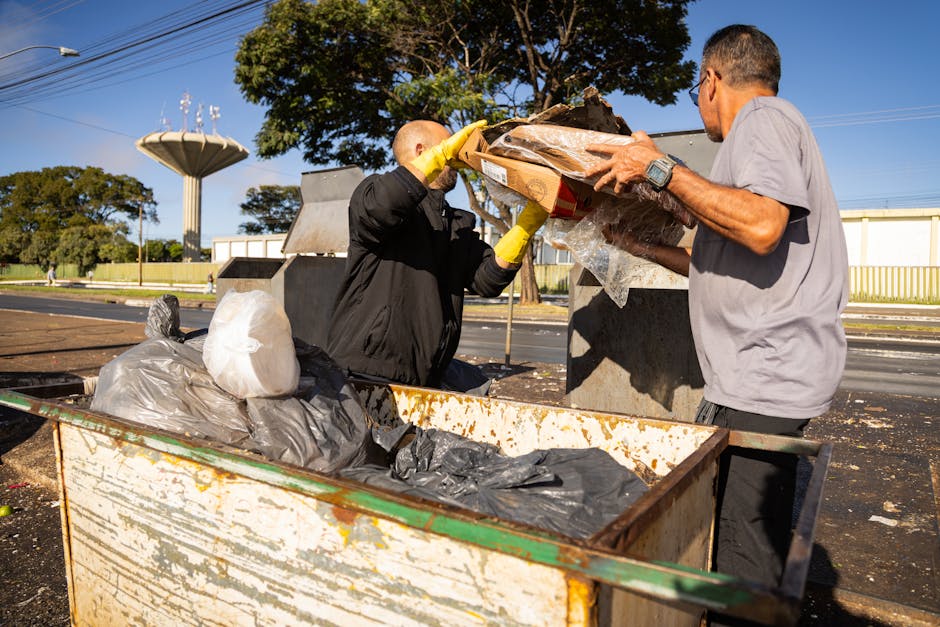
Guide to Hounslow waste rules for disposal after removals
Moving house is tiring enough without staring at a hallway full of broken boxes, odd bits of foam, and the old chair you meant to deal with "later". That's where this Guide to Hounslow waste rules for disposal after removals comes in. If you've just moved, are clearing out a property, or need to understand what can and cannot go into general rubbish after a removal, this guide walks you through the practical side of it in plain English.
Hounslow, like the rest of London, expects residents and businesses to separate waste responsibly, avoid fly-tipping, and use the right route for bulky items, recyclables, and anything hazardous. Sounds straightforward. In real life, it can get messy fast. One minute you're unwrapping plates; the next you're wondering what to do with mattress plastic, paint tins, unwanted furniture, and a dead toaster. Let's sort it out calmly.
This article covers the rules, the common pitfalls, the smarter disposal options after removals, and the practical steps that save time, money, and stress. If you're moving home, managing a business move, or arranging a clear-out, you'll also find a few useful service links to help with the wider moving process, such as removals, house removals, and recycling and sustainability.
Why Guide to Hounslow waste rules for disposal after removals Matters
After a move, waste becomes more than an inconvenience. It can turn into a compliance issue, a safety issue, and a neighbours issue all at once. Cardboard piles get wet in the rain. Old furniture blocks entrances. Glass and broken fittings can injure people. And if you leave mixed rubbish on the pavement or in a shared bin area, you can end up causing a nuisance nobody wants.
For Hounslow residents, the main point is simple: waste should be handled in a way that protects people, keeps streets tidy, and routes material into the right disposal stream. That might mean reuse, recycling, a bulky waste collection, a trip to a household waste facility, or a specialist collection for items like fridges, electricals, paint, or mattresses. Not everything belongs in the same bag. Truth be told, that's where many people get caught out.
There's also a financial angle. If you dispose of things properly the first time, you reduce the chance of extra charges, missed collections, or having to hire a second vehicle because the first load was mixed badly. In our experience, that is the bit people remember most vividly the next morning when they are tired, dusty, and still surrounded by bubble wrap.
And if you're using a professional mover, proper waste handling is part of the overall service mindset. Reputable operators should understand safe loading, sorting, and responsible disposal practices. That is one reason people often review pages like removal services, man and van, or movers when planning the clean-up around a move.
How Guide to Hounslow waste rules for disposal after removals Works
At a practical level, waste disposal after removals usually falls into five buckets: reuse, recycling, general rubbish, bulky items, and special or hazardous waste. The right route depends on what the item is made from, whether it is still usable, and whether it could pose a risk if mixed with ordinary waste.
Reuse first. If something still works or can be passed on, reuse is usually the simplest and most sensible option. A chair with a bit of wear may still have a second life; a cupboard with sound hinges may be perfect for someone else. After a move, people often rush to throw things away, then later realise they could have reduced the load quite a bit. Happens all the time.
Recycle where possible. Clean cardboard, paper, many plastics, and some metals can often be recycled if they are sorted properly. The key word is clean. A greasy pizza box or a recycling bag stuffed with food waste can contaminate a load and make it less useful.
Use a proper route for bulky items. Sofas, wardrobes, beds, tables, and white goods usually need a dedicated collection or drop-off option. Leaving them by a bin store is not a disposal strategy; it is just an inconvenience with a postcode.
Separate hazardous waste. Paint, solvents, cleaning chemicals, batteries, fluorescent tubes, and some electrical items need extra care. They should not be tossed in with general waste. If you are unsure, assume caution rather than guessing. That is usually the safer choice.
Expect sorting to matter. Councils and waste carriers tend to work much better when the material is separated in advance. Mixed loads are harder to process and, in many cases, more expensive to handle. This is where good moving preparation and waste discipline overlap nicely.
Key Benefits and Practical Advantages
Getting waste rules right after removals isn't just about being tidy. It makes the whole move feel more under control. When the property is cleared properly, you can hand it back faster, clean up more easily, and reduce the chance of awkward issues with landlords, agents, or neighbours.
- Cleaner handover: A properly cleared home or office is easier to inspect and sign off.
- Less stress: You are not left wondering what to do with odd items at the last minute.
- Lower risk of penalties or complaints: Correct disposal helps avoid fly-tipping problems and blocked communal areas.
- Better recycling outcomes: More material goes into the right stream instead of the general bin.
- Safer moving day: Fewer loose items, fewer trip hazards, fewer sharp edges poking out of boxes. Simple, but important.
There's another benefit people underestimate: mental clarity. Once the waste is sorted, the move stops feeling like an unfinished job hanging over you. You can actually exhale. That matters more than people admit.
If you want a moving partner that thinks beyond simply lifting boxes, it can help to look at services such as home moves, packing and unpacking services, and furniture pick up, especially when unwanted items need to be dealt with alongside the move itself.
Who This Is For and When It Makes Sense
This guide is useful for more than just homeowners. In fact, the people who need waste clarity after removals are often the ones with the least time to spare.
- Home movers: Anyone clearing out wardrobes, lofts, sheds, garages, or old furniture before or after a move.
- Renters: Tenants who need to leave a property in good condition and remove leftover items quickly.
- Landlords and letting agents: People arranging end-of-tenancy clearances or preparing a property for new occupants.
- Small businesses: Offices dealing with packaging waste, desk clear-outs, old electronics, and storage room clutter.
- People downsizing: If you are moving into a smaller property, you may need to decide what stays, what is donated, and what is disposed of.
It also makes sense if you are trying to choose the right moving method. A smaller job may suit a man with van approach, while larger household moves might be better handled through house movers or a more structured removal company. Different moves, different waste headaches.
And yes, office moves come with their own quirks: shredded paper, broken filing cabinets, surplus packaging, cables, and the immortal box of mystery adaptors. Every office has one. If you know, you know.
Step-by-Step Guidance
Here's a practical way to handle disposal after removals without getting overwhelmed.
- Walk through the property room by room. Start with the obvious clutter: packaging, damaged items, leftover food containers, and anything that clearly needs to go.
- Sort items into clear groups. Make separate piles for reuse, recycling, general waste, bulky waste, and special items. A few labelled bags or boxes save a lot of confusion later.
- Check for reusable goods. Could the item be donated, sold, or passed on? If it still functions and is safe, reuse is often the best first option.
- Break down large packaging. Flatten cardboard and remove non-recyclable inserts where possible. It sounds boring, but it makes a real difference to space and handling.
- Keep hazardous items separate. Batteries, paint, chemicals, and certain electricals should stay away from ordinary rubbish.
- Arrange the right disposal route. Decide whether the items should be collected, taken away in a moving van, or handled as a separate bulky load.
- Double-check communal rules. If you are in flats, shared halls, or an estate, there may be extra instructions for bin stores and collection areas.
- Leave the property clear and safe. Remove loose nails, broken glass, and anything that could injure the next person walking through.
One small but useful habit: take a couple of photos of the cleared rooms before you leave. Not for show. Just as a record that the property was left tidy and waste-free. Handy, especially if there is any later disagreement.
Expert Tips for Better Results
Here are the practical details that make the biggest difference.
1. Sort before you pack the van. If you wait until everything is already stacked together, you create more work. Sorting while items are still visible is faster and cleaner.
2. Keep a "questionable items" box. If you are not sure whether something can be reused, recycled, or binned, do not mix it with the rest. Put it aside and decide later. That little pause can stop a whole load from becoming messy.
3. Protect yourself from sharp waste. Broken glass, old shelving, and stripped metal edges can catch you out when you are tired. Gloves help. So does taking an extra minute. Nobody wants a moving-day cut. Not glamorous, not worth it.
4. Plan waste disposal before moving day. The best time to think about disposal is before the boxes are everywhere. If you already know what is being kept, sold, donated, or thrown away, the day runs smoother.
5. Be realistic about what one vehicle can carry. People often underestimate bulky waste. A mattress, wardrobe, and several bags of packaging can fill a van surprisingly quickly. If you need more capacity, look at removal van, moving van, or even removal truck hire depending on the size of the job.
6. Don't let the small stuff become the big problem. It's usually the loose bits - screws, cords, broken clips, half-empty boxes - that slow everything down. A ten-minute sweep can save an hour later.
Common Mistakes to Avoid
A lot of post-move waste issues come down to simple habits. Nothing dramatic. Just easy mistakes that snowball.
- Mixing everything together: Recycling, food waste, and general rubbish should not be bundled into one load if you can avoid it.
- Leaving items outside: Putting furniture or bags on the pavement or in a shared space is a quick way to create a problem.
- Forgetting about hazardous waste: Paint, batteries, and chemicals need special attention.
- Assuming all cardboard is recyclable: Wet, greasy, or contaminated cardboard may not be suitable.
- Ignoring tenant or lease obligations: Some properties require a complete clear-out, not just "mostly empty".
- Not checking what the mover will and won't take: If a company is helping with transport, confirm the scope in advance. That avoids awkward surprises on the day.
To be fair, most of these mistakes happen when people are exhausted, not careless. Moving scrambles the brain a bit. That's normal. The trick is to slow down just enough to make the right call on the awkward items.
Tools, Resources and Recommendations
You do not need specialist equipment to manage most post-removal waste well, but a few simple tools make things much easier.
- Sturdy bin bags and rubble sacks: Useful for mixed light waste, though not for sharps or hazardous material.
- Marker pens and labels: Label bags as "recycle", "keep", "donate", or "dispose". Small thing, big payoff.
- Gloves and packing tape: Basic kit, but worth having to hand.
- Flat-pack tools: Screwdrivers and Allen keys help break down furniture so it is easier to move or dispose of.
- Spare boxes: Handy for cables, paperwork, loose fittings, and donation items.
From a service perspective, look for removal support that values care, safety, and responsible handling. Pages such as health and safety policy, insurance and safety, and payment and security are useful indicators that a provider takes the practical side seriously, not just the transport.
If you want to compare options, it can also help to review pricing and quotes early rather than waiting until the rubbish is already piling up. No one enjoys last-minute maths with a pile of broken shelves beside them.
Law, Compliance, Standards, or Best Practice
Without pretending every move is legally identical, there are some sensible principles that apply across UK waste handling. Waste should be kept out of ordinary circulation when it could cause harm, nuisance, or contamination. Fly-tipping is taken seriously, and even accidental mismanagement can lead to headaches if waste is dumped in the wrong place or left where it should not be.
For households, the best practice is to separate materials, follow local collection expectations, and use approved routes for bulky or hazardous items. For businesses, the standard is usually higher. Commercial moves often need clearer record-keeping, more careful segregation, and a proper plan for office waste, electronics, and furniture.
That is where proper removals planning makes a real difference. A sensible move is not only about shifting items from A to B. It is about reducing loss, preventing damage, and leaving the old site in a clean, compliant state. If you are moving a workplace, commercial moves and office removals may be more relevant than a standard domestic service, because business waste tends to involve more sorting and more responsibility.
Best practice, in plain terms, is this: sort early, keep questionable items separate, avoid unsafe dumping, and use a provider who understands moving waste responsibly. Nothing flashy. Just solid habits that hold up under pressure.
Options, Methods, or Comparison Table
Choosing the right disposal method depends on how much waste you have, what it is made of, and how quickly it needs to go. Here's a simple comparison to help.
| Method | Best for | Strengths | Limitations |
|---|---|---|---|
| Reuse or donation | Usable furniture, appliances, household items | Lowest waste, often fastest for suitable items | Only works if items are clean, safe, and wanted |
| Recycling separation | Cardboard, paper, clean plastics, metals | Reduces landfill and keeps loads tidy | Needs careful sorting and clean material |
| Bulky waste collection | Sofas, beds, wardrobes, large broken items | Good for awkward pieces that won't fit in bins | May require booking and proper preparation |
| Van or truck removal | Mixed clear-outs, end-of-tenancy waste, office clearances | Flexible and efficient for larger loads | Needs good loading discipline and sorting |
| Specialist handling | Hazardous items, electricals, chemicals, certain waste streams | Safer and more responsible for risky items | Requires more care and sometimes separate arrangements |
If your move is small, a man and van removals service may be enough. If it is a larger house clearance or full relocation, a more complete home moves or house removalists option may be more efficient. Different routes suit different levels of clutter. That's the honest answer.
Case Study or Real-World Example
Imagine a family moving out of a two-bedroom flat in Hounslow on a damp Thursday morning. They have cardboard from the kitchen, a broken bedside table, an old microwave, a bag of mixed cables, and a sofa that will not fit into the new place. The first instinct is often to shove everything into one corner and deal with it later. But later is usually when the stress starts.
Instead, they split the items on day one:
- Cardboard is flattened and kept dry for recycling.
- The microwave is set aside as an electrical item.
- The bedside table is broken down and prepared for disposal.
- The sofa is checked for reuse or bulky removal.
- Cables and small fittings are boxed separately so nothing gets lost or tangled.
By the time the van arrives, the waste is already organised. The move is faster, the loading space is used better, and the property is left in a decent state. No drama. No last-minute panic outside the building while someone mutters, "where did that bag of screws come from?"
That kind of simple planning is why services like removals near me can be so helpful when you want local, practical support rather than a generic one-size-fits-all approach.
Practical Checklist
Use this checklist before and after removals to keep waste under control.
- Walk every room, cupboard, loft space, and storage area.
- Separate keep, donate, recycle, dispose, and hazardous items.
- Flatten cardboard and bag loose packaging.
- Keep batteries, paint, chemicals, and broken glass separate.
- Check whether furniture can be reused or collected as bulky waste.
- Confirm what your mover or removal provider can transport.
- Make sure nothing is left in communal hallways or outside the property.
- Remove small loose items from drawers, shelves, and cupboards.
- Do a final sweep for screws, shards, cables, and forgotten chargers.
- Leave the space safe, tidy, and ready for the next stage.
A tiny bit of discipline here saves a lot of annoyance later. And, honestly, future-you will be grateful.
Get a free quote today and see how much you can save.
Conclusion
Waste rules after removals do not need to be complicated, but they do need attention. In Hounslow, the smartest approach is to sort early, keep reusable items out of the rubbish stream, handle hazardous material carefully, and choose the right disposal route for each type of waste. Do that well and you cut stress, improve safety, and make the move feel much more finished.
If you are planning a home move, office relocation, or a local clear-out, it is worth thinking about waste before the moving boxes multiply. A little structure goes a long way. Not perfect, just organised enough to make life easier. And that, on moving day, is a real win.
For more support around the moving process, you may also find about us, terms and conditions, and contact us useful when you are planning your next step.
Frequently Asked Questions
What should I do with cardboard after a move in Hounslow?
Flatten it, keep it dry, and separate clean cardboard from food-contaminated packaging. Clean cardboard is usually much easier to recycle than damp or greasy material.
Can I leave old furniture outside my property for collection?
Not as a default option. Leaving furniture outside can cause obstruction, complaints, or fly-tipping concerns. Use a proper bulky waste route or arrange removal through a suitable service.
What counts as hazardous waste after removals?
Common examples include batteries, paint, solvents, certain cleaning chemicals, fluorescent tubes, and some electrical items. If you are unsure, keep the item separate and treat it cautiously.
Do I need to separate recycling from general rubbish after a house move?
Yes, ideally. Sorting recyclables from general waste helps avoid contamination and makes disposal much more efficient. It also reduces the chance of ending up with more waste than necessary.
What is the best way to dispose of a sofa after moving?
If it is reusable, consider passing it on. If not, use a bulky waste or removal option that can handle large household items safely and lawfully.
Can a removal company take away unwanted items too?
Some can, but you should always confirm in advance what is included. The exact scope depends on the provider and the job, so it is better to ask early than assume.
Is it cheaper to sort waste before the removals team arrives?
Usually, yes. Pre-sorting can reduce loading time, simplify transport, and stop mixed waste from creating avoidable complications. A little prep often pays off.
What should tenants do with leftover waste at the end of a tenancy?
Tenants should remove personal belongings, separate recyclables, and leave the property clean and clear. Leftover waste can create deposit disputes or delay handover.
How do office waste rules differ from home removals?
Office moves often involve more electronics, cables, filing materials, and furniture. That means more sorting, more care with data-bearing items, and a greater need for organised disposal.
What if I have a small amount of mixed rubbish after moving?
Sort what you can first, then use the appropriate disposal route for the remainder. Even a small mixed load is easier to manage when the recyclable and hazardous pieces are separated out.
Should I keep receipts or records for disposal after removals?
It can be sensible, especially for business moves or rented properties. A simple record of what was removed and how it was handled can be useful if any questions come up later.
Where can I find more help with moving and disposal planning?
It helps to look at related pages such as removal services, furniture pick up, and recycling and sustainability so you can plan transport and disposal together rather than treating them as separate jobs.